Xander Schröder · 21 October 2026
Medieval Relics Inspire Cross-Generational Art Projects That Double as Climate Resilience Tools in Historic Woodlands
Medieval relics discovered in historic woodlands continue to shape modern creative efforts that engage participants across age groups while supporting climate adaptation strategies in these sensitive environments. Researchers have documented how artifacts from earlier centuries, including carved stones and wooden implements, provide thematic foundations for collaborative projects that blend artistic expression with practical measures such as soil stabilization and habitat monitoring.
Teams composed of local historians, ecologists, and community members examine these relics to identify patterns in past land use that align with current needs for resilience against shifting weather patterns. Data from woodland surveys indicate that areas incorporating relic-inspired designs show measurable improvements in moisture retention during dry periods, according to findings published by the European Environment Agency.
Integration of Relics into Multi-Age Creative Frameworks
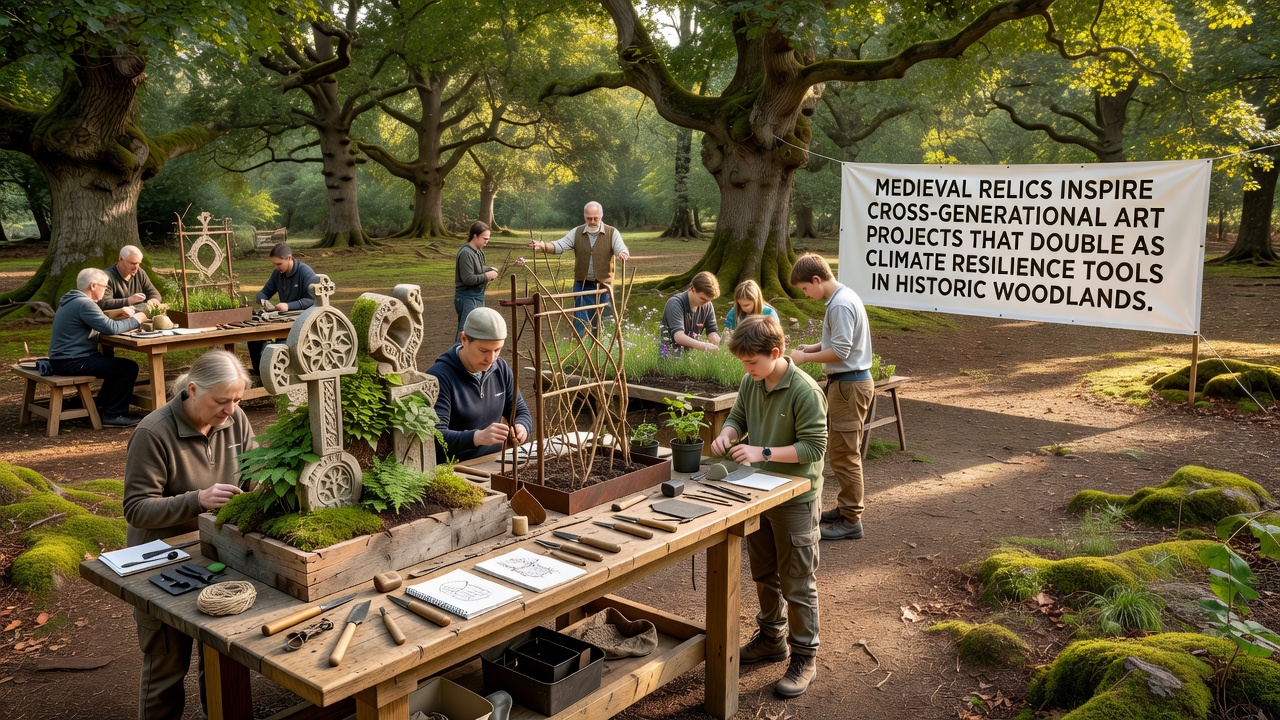
Workshops organized in several woodland sites bring together school students and retired craftspeople to reinterpret relic motifs through sculpture and installation work. These sessions use natural materials harvested sustainably from the surrounding areas, which helps maintain ecological balance while teaching participants about historical techniques for resource management. One study conducted by University of Melbourne researchers tracked participation rates and noted consistent involvement from multiple generations throughout 2025 and into 2026.
Art pieces often incorporate elements that serve dual purposes, such as root-like structures that anchor slopes against erosion and visual markers that guide seasonal biodiversity assessments. Projects scheduled for October 2026 will expand these efforts to include digital mapping components that overlay relic locations with climate projection models, allowing real-time adjustments based on field observations.
Climate Adaptation Functions Embedded in Artistic Designs
Evidence from long-term monitoring programs shows that installations inspired by medieval woodland relics can reduce surface runoff by up to 18 percent in targeted zones, according to Natural Resources Canada forestry reports. The designs frequently draw on relic features like interlocking patterns that mimic root networks, which in turn support tree stability during increased storm activity observed in recent decades.
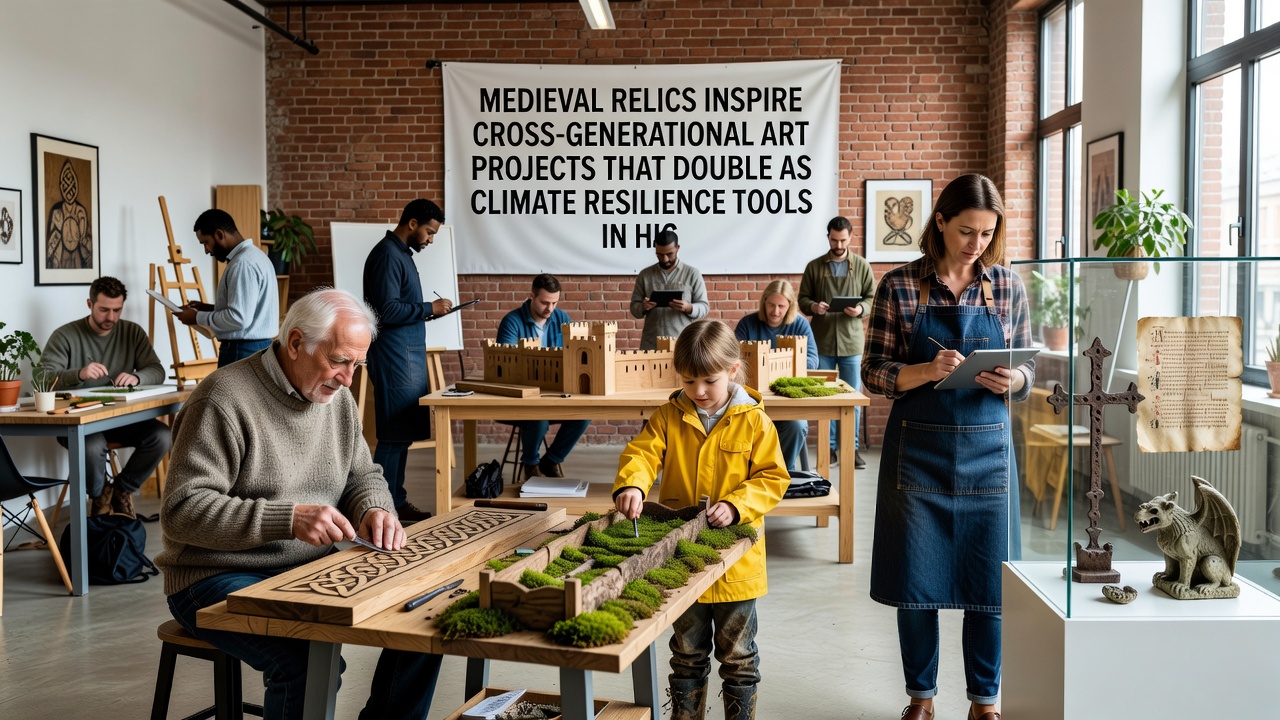
Participants document changes in local microclimates through simple sensors attached to the artworks, generating datasets that feed into broader regional analyses. This approach connects historical preservation with forward-looking environmental strategies, creating records that younger contributors can build upon in subsequent seasons.
Documented Outcomes Across Multiple Sites
Comparative assessments of treated and untreated woodland sections reveal that relic-guided projects correlate with higher seedling survival rates during variable spring conditions. Observers note that the visual appeal of the installations also increases public visitation, which in turn supports volunteer monitoring networks that collect additional environmental metrics. Figures from ongoing trials indicate sustained engagement levels across age brackets, with older participants contributing knowledge of traditional woodworking methods that enhance the durability of the structures.
Programs running through late 2026 plan to incorporate feedback loops where art outcomes directly inform adjustments to resilience protocols, ensuring the work remains responsive to emerging climate data without requiring separate infrastructure investments.
Conclusion
Medieval relics found in historic woodlands continue to provide source material for cross-generational art projects that simultaneously advance climate resilience objectives. Available records demonstrate measurable environmental benefits alongside sustained community participation, while upcoming activities in October 2026 will test expanded applications of these integrated methods.