Jakob Reed · 7 October 2026
Local Accounts Spotlight Biodiversity Endurance in Ancient Oak Habitats Facing Shifting Climates
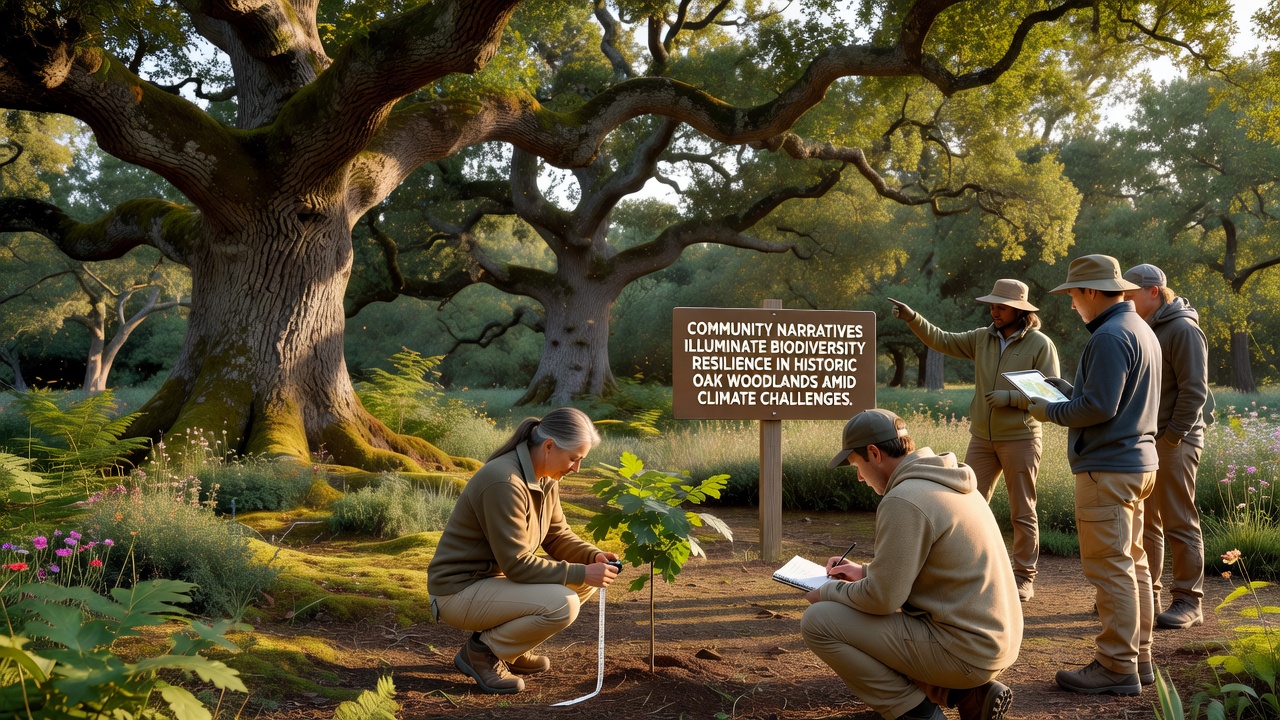
Community narratives have emerged as key tools for understanding biodiversity patterns in historic oak woodlands, where local observations combine with scientific data to track changes amid rising temperatures and altered precipitation. These accounts often detail species interactions, habitat shifts, and survival strategies that quantitative surveys alone might miss, and researchers have integrated them into broader monitoring programs across multiple regions.
Mapping Observations Through Shared Stories
People living near established oak stands frequently record details about understory plants, insect populations, and bird nesting behaviors that reflect ecosystem health, while such records from October 2026 field sessions showed consistent mentions of resilient fungal networks supporting tree roots during dry spells. Studies indicate these narratives align with satellite imagery data on canopy density, and they provide temporal context that spans decades in some cases because residents draw from family histories passed down through generations.
One study revealed that groups in temperate zones compiled logs noting earlier leaf-out times in Quercus species, and this pattern matched temperature records from weather stations operated by the U.S. Forest Service. Yet the human element adds layers, such as descriptions of how certain lichen species persist on bark despite increased storm frequency, and observers note these details help model future scenarios when combined with climate projections.
Climate Pressures and Recorded Responses
Rising average temperatures and more variable rainfall have stressed oak woodlands in various locations, but community reports highlight pockets of resistance where diverse age structures in tree populations buffer against extremes. Data from long-term plots shows reduced acorn production in some years, whereas accounts from local naturalists describe compensatory growth in surrounding shrubs that maintain habitat connectivity for small mammals.
According to findings published by the European Environment Agency, shifts in associated species like certain butterflies and ground beetles appear in resident journals before they register in formal transects, and this early signal allows quicker adaptation planning. What's interesting is how these stories often reference specific events, such as a late frost in spring 2025 that affected young saplings yet left mature trees largely intact due to deeper root systems.
Integrating Narratives with Broader Research
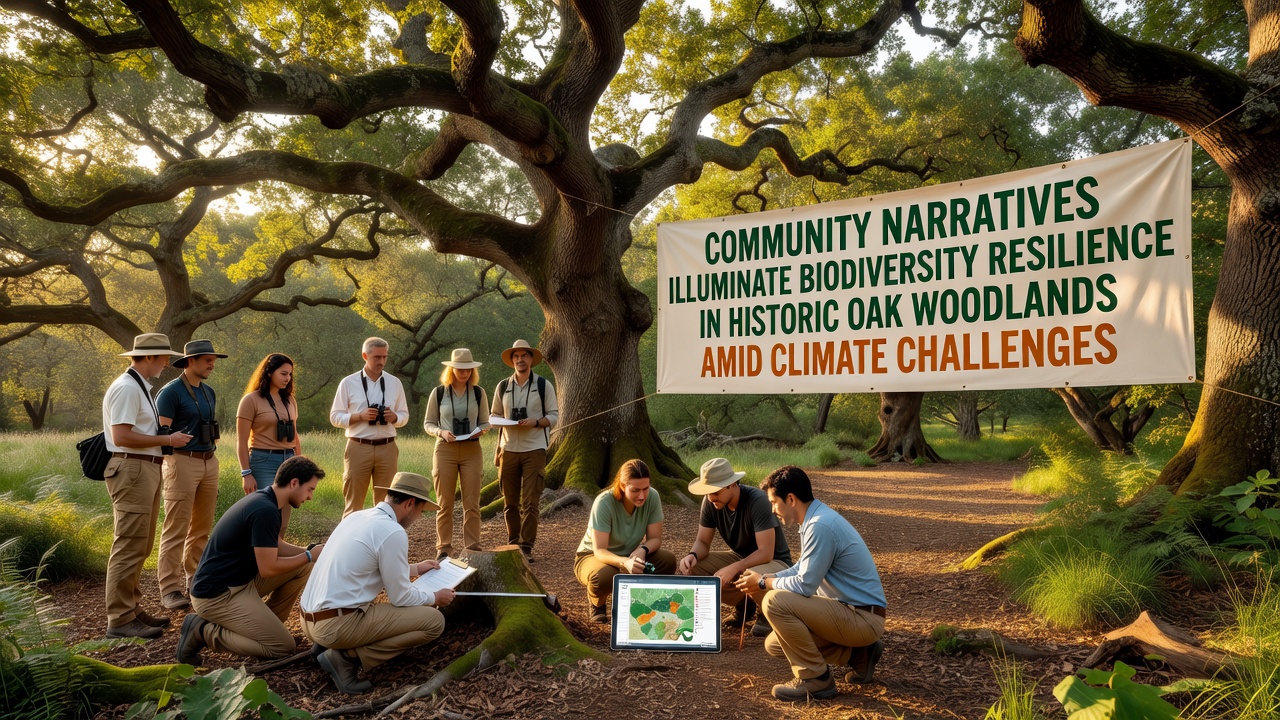
Academic teams now incorporate oral histories and written community logs into databases alongside sensor readings and genetic analyses, and this approach has uncovered correlations between traditional land management practices and higher species richness. For instance, areas with ongoing coppicing traditions show stronger recovery after drought periods compared to unmanaged stands, according to reports from the Australian National University woodland studies group.
Participants in mapping initiatives frequently note microhabitats created by fallen branches or veteran trees that support rare invertebrates, and these observations fill gaps in professional surveys limited by seasonal access. Evidence suggests such integration improves predictive models because qualitative details reveal thresholds where biodiversity begins to decline under compounded stressors like combined heat and pathogen pressure.
Regional Variations in Documented Resilience
Woodlands in northern latitudes exhibit different narrative themes than those farther south, with colder-climate accounts emphasizing snow cover effects on soil microbes that protect roots, whereas southern reports focus on heat-tolerant understory shifts. Canadian Forest Service datasets align with many of these patterns when cross-referenced against local testimonies collected over multiple seasons.
Groups have also tracked invasive species incursions through repeated sightings logged in shared notebooks, and this grassroots effort complements official monitoring by agencies in several countries. The ball's in the court of policymakers to weigh these combined inputs when allocating resources for habitat corridors that link fragmented oak patches.
Future Monitoring and Knowledge Sharing
Digital platforms now host anonymized community contributions alongside open-access scientific papers, allowing wider analysis of trends such as phenological mismatches between oaks and their pollinators. Researchers discovered that consistent documentation over five-year spans improves accuracy in resilience scoring systems used by conservation organizations.
Training workshops teach participants standardized recording methods without overriding personal perspectives, and this balance preserves the richness of individual accounts while enabling aggregation. Figures reveal increased participation rates in such programs since 2024, driven by accessible apps that timestamp observations and link them to environmental variables.
Conclusion
Community narratives continue to illuminate aspects of biodiversity resilience in historic oak woodlands that complement formal datasets, particularly as climate variables evolve through 2026 and beyond. Integration of these sources supports more nuanced management strategies across affected landscapes, and ongoing collaboration between residents and scientists strengthens the overall evidence base for adaptive responses.